


Private Group CPR Classes That Fit Your Team
A staff meeting can be rescheduled. A response to cardiac arrest, choking, or a pediatric emergency cannot. Private group CPR classes give your team practical, hands-on preparation without asking every employee, caregiver, or family member to find a separate course date. For organizations with demanding schedules and real credential requirements, group training keeps life-saving education focused, efficient, and easier to manage.
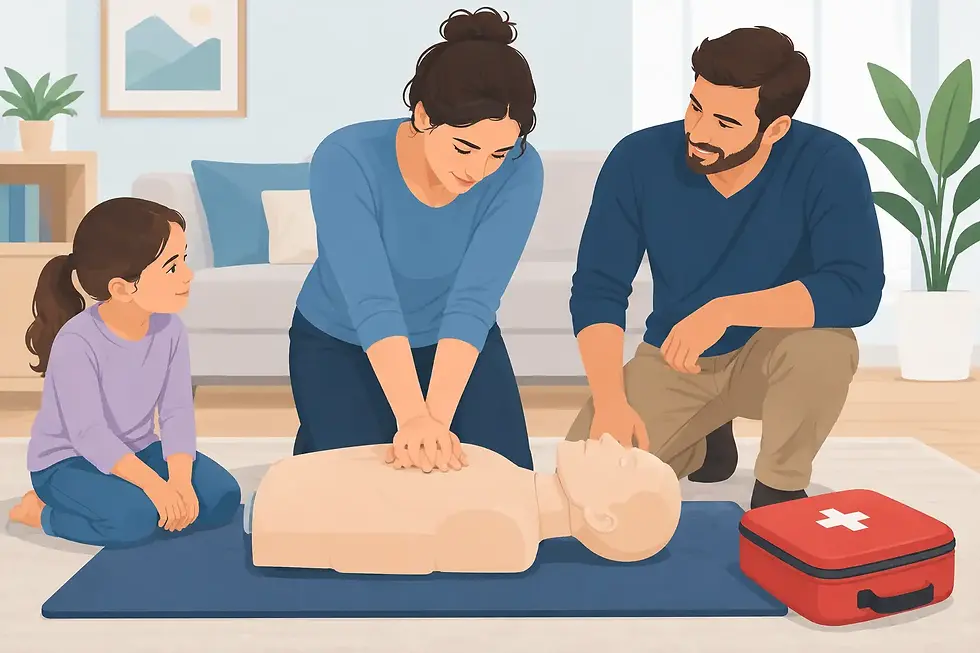
Whether you are coordinating training for a medical office, home-care agency, child-care program, school, fitness team, or extended family, the right course should do more than fill a calendar. It should match the emergencies your group may face, satisfy applicable employer or licensing requirements, and leave participants prepared to act.
When Private Group CPR Classes Make Sense
Private training is often the most practical option when several people need the same credential or a coordinated skills update. Instead of sending employees to multiple public sessions, you can establish one training date, one roster, and one clear completion process.
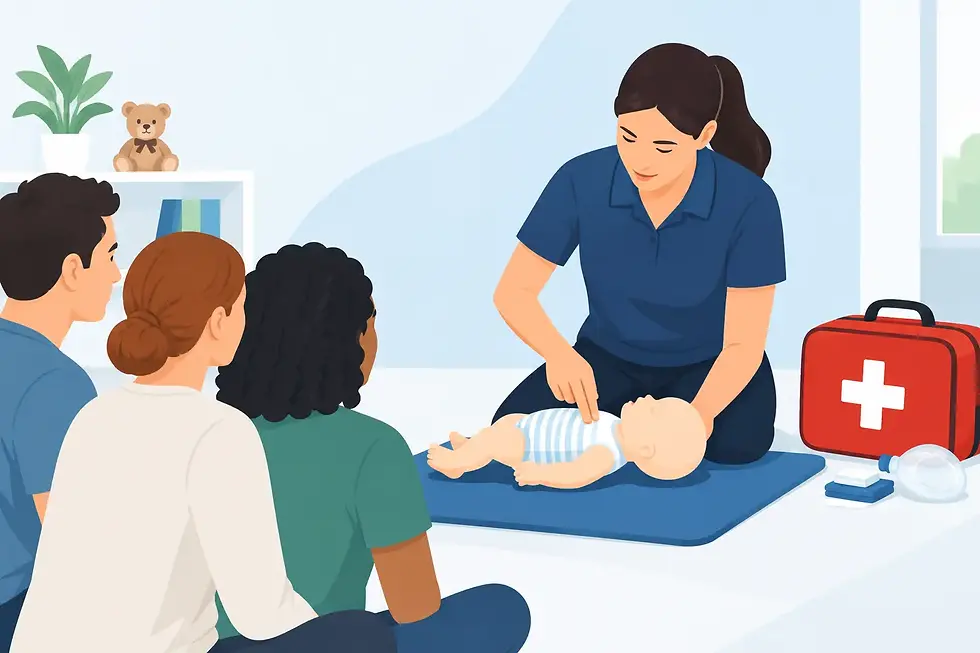
For healthcare teams, a private class can support BLS renewal or initial training for staff who need a recognized credential for work, clinical placement, or professional renewal. For nonclinical workplaces and community groups, CPR and First Aid training can focus on confident response to cardiac, breathing, choking, and common injury emergencies. Child-care teams, babysitters, and parents may need a course that also covers pediatric CPR and First Aid.
The best format depends on who is attending and why. A dental office may need healthcare-provider BLS. A day care may need pediatric-focused CPR and First Aid. A corporate office may want adult CPR, AED use, and First Aid for a designated response team. Treating these as the same course can create unnecessary gaps or lead participants to earn a credential that does not meet their requirement.
Start With the Credential Requirement
Before choosing a date, identify exactly what the group needs to complete. Ask participants or department leaders whether they need initial certification, recertification, continuing education documentation, or training for general preparedness. If the training is employment-related, confirm the required course title, issuing organization standards, and renewal timeline with the employer, licensing board, school, or clinical site.
This step matters because “CPR certified” can mean different things in different settings. A healthcare professional may be required to hold BLS training with hands-on skills practice. A child-care provider may need pediatric content and First Aid. A parent who wants emergency confidence may not need an employment credential at all, but still benefits from an instructor-led course with realistic practice.
A well-organized group request should include the number of participants, each learner’s credential need, preferred dates, location, and whether anyone is renewing an expiring card. That information helps ensure the course length, instructor resources, and required equipment fit the group from the start.
Initial Training and Renewal Are Not Always Identical
Do not assume every participant can take the same renewal pathway. Some learners may have a current, eligible credential nearing expiration, while others may be first-time students or have allowed a card to lapse. Employer policy can also affect which option is accepted.
For mixed groups, it may be better to schedule a course that accommodates both new and renewing learners. Planning this early prevents last-minute surprises, especially when a staff member needs proof of completion before a shift, clinical rotation, or compliance deadline.
Choose a Format That Protects Hands-On Practice
Convenience matters, but CPR is a physical skill. Participants need time to practice compressions, rescue techniques when applicable, AED operation, choking response, and course-specific scenarios under instructor guidance. Small-group practice and timely feedback are where learners build confidence.
Instructor-led classroom training is often the clearest choice for teams that want everyone to learn together from start to finish. It works well when the group has a shared availability window and a suitable training space.
Blended learning can be a strong option for busy organizations. Participants complete assigned online coursework before attending an in-person skills session. This can reduce the time the entire team spends away from work at once, but it requires accountability. Every learner must complete the online portion by the deadline and arrive ready for skills validation.
Self-guided options with an approved skills check may also fit certain learners and course types. The trade-off is that a group loses some of the discussion and shared scenario practice that comes from learning alongside coworkers. For a close-knit clinical team or a group with varied experience levels, instructor-led training may be worth the additional time.
Plan the Logistics Before You Announce the Date
A smooth private class begins with details that are easy to overlook. Select a location with enough open floor space for manikins, AED trainers, and skills practice. Participants need room to kneel, move safely, and see instructor demonstrations. A cramped conference room can make a well-planned course harder than it needs to be.
Build the training time into the workday when possible. Scheduling at the end of a long shift may seem efficient, but tired participants are less likely to stay fully engaged during physical practice and testing. If shift coverage is unavoidable, consider dividing a larger workforce into smaller sessions rather than overloading one class.
You should also establish a clear attendance process. Share the start time, expected course duration, dress expectations for floor-based skills practice, pre-course assignments, and what participants should bring. Ask learners to arrive early if identity verification, online-course completion records, or paperwork must be reviewed before class begins.
For groups of four or more, a short internal checklist helps keep everyone aligned:
Confirm the required course and whether each participant is initial or renewal.
Set a final headcount and identify any scheduling constraints.
Verify the training location, parking, room access, and available floor space.
Communicate pre-course work, arrival instructions, and completion expectations.
Track expiring credentials so no employee misses a required renewal date.
Make the Class Relevant to Your Team
The strongest private sessions connect core course skills to the situations participants are most likely to encounter. A home-care team may discuss responding when working alone in a client’s home. A child-care program may focus on pediatric choking and communication during a fast-moving emergency. A medical office may benefit from reviewing team roles when a patient becomes unresponsive.
The course curriculum and required skills remain defined by the credential pathway, but practical discussion can make the training more useful. Encourage participants to ask about response roles, emergency equipment locations, activation of 911 or internal emergency systems, and post-event documentation. These operational questions are often what turn a completed course into a usable workplace response plan.
At the same time, keep expectations realistic. CPR training prepares people to recognize an emergency, call for help, start appropriate care, and use available equipment such as an AED. It does not replace an organization’s emergency action plan, clinical protocols, or the need to call emergency services.
Know What Completion Looks Like
For credentialed courses, participants must meet the course requirements, including attendance, required knowledge components, and hands-on skills evaluation. A certificate should never be treated as automatic simply because someone is registered. Clear communication about successful completion protects the integrity of the credential and helps learners take the course seriously.
Ask how and when digital proof of completion will be delivered. Prompt eCard delivery is especially valuable for healthcare staff, students, and care workers who need to submit credentials quickly. Keep a secure record of completion dates and plan renewal outreach well before cards expire, rather than scrambling when an audit or job requirement is already due.
HealthForce Training Center can help groups coordinate American Heart Association-aligned course pathways, hands-on instruction, and timely digital completion records across its service areas. The goal is straightforward: make required training easier to schedule without compromising the practice that makes emergency response possible.
A Better Way to Build Preparedness
Private group training is not only a compliance task. It is a practical investment in the people who may be closest when an emergency begins. Choose the right credential, protect time for hands-on practice, and give every participant clear completion steps. When the unexpected happens, a prepared team can move from uncertainty to action when it matters most.

Comments